
"coffee pests and diseases"
600 article(s) found

Introduction to the quality of Kenyan coffee varieties different from bourbon beans in Central and South America
Different from bourbon beans in Central and South America. This Kenyan native species was created by Scott Laboratories in 1930, known as SL for short. Agronomists wanted to find a kind of bourbon with high yield and resistance to diseases and insect pests, and obtained SL28 through experiments. SL28 is a genetic variant with a mixed pedigree of French missionaries, mochas and Yemens Tibica, which was originally cultivated for SL28.
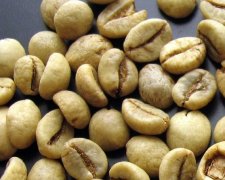
Robusta's secret.
[guide] "Robusta" coffee, commonly known as "thick beans", can be grown at low elevations (200 to 800 meters above sea level), has strong resistance to diseases and insect pests, is not vulnerable to agricultural pests, has a high annual output per unit area, and is harvested in large quantities by machine. in general, the cost of production is much lower than that of Arabica. "Robusta" coffee is commonly known as "stout beans", at low elevations (200 above sea level)
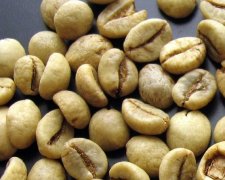
Robusta's secret.
[guide] "Robusta" coffee, commonly known as "thick beans", can be grown at low elevations (200 to 800 meters above sea level), has strong resistance to diseases and insect pests, is not vulnerable to agricultural pests, has a high annual output per unit area, and is harvested in large quantities by machine. in general, the cost of production is much lower than that of Arabica. "Robusta" coffee is commonly known as "stout beans", at low elevations (200 above sea level)
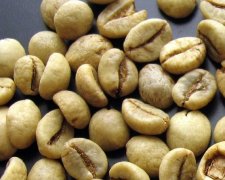
Robusta's secret.
[guide] "Robusta" coffee, commonly known as "thick beans", can be grown at low elevations (200 to 800 meters above sea level), has strong resistance to diseases and insect pests, is not vulnerable to agricultural pests, has a high annual output per unit area, and is harvested in large quantities by machine. in general, the cost of production is much lower than that of Arabica. "Robusta" coffee is commonly known as "stout beans", at low elevations (200 above sea level)

What is F1 mixed coffee what are the advantages of F1 mixed coffee
Professional coffee knowledge exchange more coffee bean information Please pay attention to the coffee workshop (Wechat official account cafe_style) mixed coffee has the opportunity to get higher scores on the cup test, and has better disease resistance and better yield. But what kind of coffee are they? Why do we have to pay attention to it? Mixed varieties may replace existing single varieties such as bourbon.
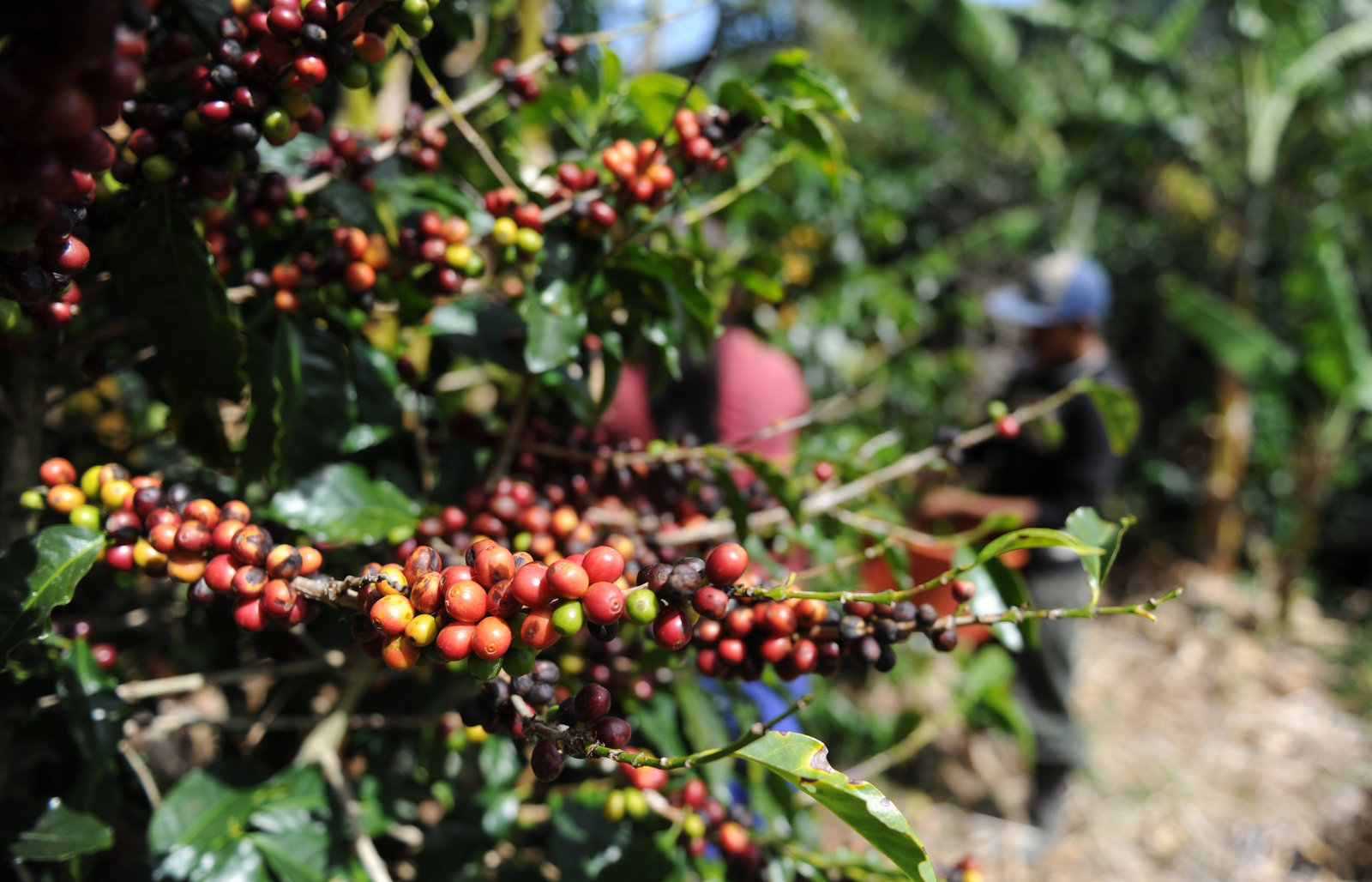
Global climate change is serious, will Australia become a suitable new coffee growing area?
Professional coffee knowledge exchange More coffee bean information Please pay attention to coffee workshop (Weixin Official Accounts cafe_style) As early as a few years ago, the coffee industry has sounded the alarm that climate change threatens the supply of coffee beans. But the situation remains grim today. Greg Meenahan, partner director of World Coffee Research, a nonprofit research institute, describes it as expected by 2050

Costa Rican coffee industry reduced due to climate
Due to the decline in coffee prices on the international market, Costa Rican coffee exports totaled US $306 million in 2015, down 26% from US $412 million in 2012, Costa Rica reported on May 12. In the first quarter of 2016, the average world price of coffee was $1.14 per liter, down 26 per cent from the same period in 2014. Affected by climate change and diseases and insect pests at the same time, the coffee growing area of Colombia

Three varieties of coffee beans to find out what is the quality of Robusta coffee beans
Professional coffee knowledge exchange more coffee bean information please follow the coffee workshop (Wechat official account cafe_style) front street-introduction to the three major coffee varieties flavor and aroma first-class coffee beans Arabica origin in Ethiopia, in South Africa, Africa, Asia and other countries also produce, accounting for 70% of the world coffee production. Arabica's resistance to diseases and insect pests is weak.
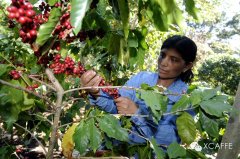
Ecuador imports pest-resistant coffee seeds to revive coffee industry
In recent years, the Latin American coffee industry has been plagued by coffee leaf rust (CoffeeRoya), and Ecuador has not been spared. Since 2012, coffee bean exports have lost a total of US $20 million, with exports of US $28.8 million, US $14.8 million and US $9.7 million respectively in the first five months of the past three years, with an annual decline of 30-40%. Coffee products made from coffee beans in 2012

Introduction to the flavor description and taste characteristics of Robastian coffee beans
The Robusta coffee bean is originated in Congo, Africa, and its output is 20% 30% of the world's output. It is suitable for lowlands below 500 meters. It has strong adaptability to the outside world, can resist bad climate, resist diseases and insect pests, and can be allowed to grow in the wild. It is a kind of coffee tree that is easy to cultivate. It is generally used to make instant coffee Robasta coffee tree originating in the Congo of Africa.

A brief Analysis of the Origin and Flavor characteristics of Robosta Coffee Bean
Professional coffee knowledge exchange more coffee bean information please follow the coffee workshop (Wechat official account cafe_style) front street-Robusta varieties, chlorogenic acid composition introduction Robusta originally only Arabica coffee, but at the end of the 19th century, a major pest occurred, coffee growers began to explore pest-resistant coffee varieties, resulting in Robusta

What is the taste and taste of java coffee beans in Java, Indonesia? Indonesian Arabica Variety Java
Professional coffee knowledge exchange more coffee bean information please follow the coffee workshop (Wechat official account cafe_style) Indonesia Java java coffee beans how the flavor and taste? How to cook Java coffee beans of Arabica variety in Indonesia? Java coffee from the Indonesian island of Java, originally belonging to Arabica coffee. Diseases and insect pests make Java rich in high-quality Arabica coffee

Costa Rica urgently needs to stimulate the coffee industry
Due to the decline in coffee prices on the international market, Costa Rican coffee exports totaled US $306 million in 2015, down 26% from US $412 million in 2012, Costa Rica reported on May 12. In the first quarter of 2016, the average world price of coffee was $1.14 per liter, down 26 per cent from the same period in 2014. Affected by climate change and diseases and insect pests at the same time, the coffee growing area of Colombia

Boutique coffee specialty coffee coffee bean variety
Abstract: coffee trees are generally divided into three categories: Arabica species, Robesta species and Liberika species. With regard to the cultivation of crops, seed selection is a very important factor. Every year, agronomists are studying higher quality and higher yield varieties of wheat, soybeans and corn, as well as how to make apples more delicious, beautiful and resistant to diseases and insect pests. in fact, the same is true of coffee.

Robusta coffee beans and Arabica flavor difference which robusta coffee beans are the best?
Professional coffee knowledge exchange more coffee bean information Please follow the coffee workshop (Wechat official account cafe_style) Coffee bean ingredients include caffeine, tannin, fat, protein, sugar (carbohydrates), minerals and so on. The sugar in coffee beans brings sweetness, tannins and fatty acids bring sour taste, volatile fat brings aroma, and caffeine bitterness. The coffee is big
Costa Rica stimulates the main force of the coffee market
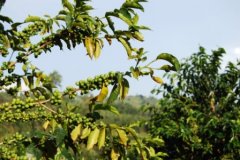
Due to the decline in coffee prices on the international market, Costa Rican coffee exports totaled US $306 million in 2015, down 26% from US $412 million in 2012, Costa Rica reported on May 12. In the first quarter of 2016, the average world price of coffee was $1.14 per liter, down 26 per cent from the same period in 2014. Affected by climate change and diseases and insect pests at the same time, the coffee growing area of Colombia
The best coffee in the world
When tasting single-origin coffee, you will see some information about the variety in addition to the country of origin, production area and geographical and climatic conditions. Arabica, Robosta, Bourbon, etc. For coffee flavor, of course, the difference in the production area is relatively large. Variety differences become interesting when discussing the variety of beans produced in the same region.
The National Union of Central and South American Coffee Diseases lend a helping hand.
The outbreak of coffee leaf rust in the coffee producing areas of Central and South America began at the end of last year, resulting in a reduction in local coffee production, which has seriously affected the local people's livelihood and economic industry. The National Cooperation Council of the Ministry of Foreign Affairs said that domestic plant pathologists have been invited to local friends to learn about the situation, and a regional plan will be planned to provide prevention and control assistance to friendly farmers through a combination of technology and funds.

Introduction to the Flavor description treatment method of Robastian Coffee Bean Variety characteristics
Boutique coffee beans are originated in the Congo, which accounts for 20% 30% of the world's output. It is suitable for lowlands below 500 meters. It has strong adaptability to the outside world, can resist bad climate, resist diseases and insect pests, and can be allowed to grow in the wild. It is a kind of coffee tree that is easy to cultivate. It is generally used to make instant coffee Robasta coffee tree originating in the Congo of Africa.
Boutique Coffee Costa Rica urgently needs to stimulate the coffee industry
Due to the decline in coffee prices on the international market, Costa Rican coffee exports totaled US $306 million in 2015, down 26% from US $412 million in 2012, Costa Rica reported on May 12. In the first quarter of 2016, the average world price of coffee was $1.14 per liter, down 26 per cent from the same period in 2014. Affected by climate change and diseases and insect pests at the same time, the coffee growing area of Colombia